
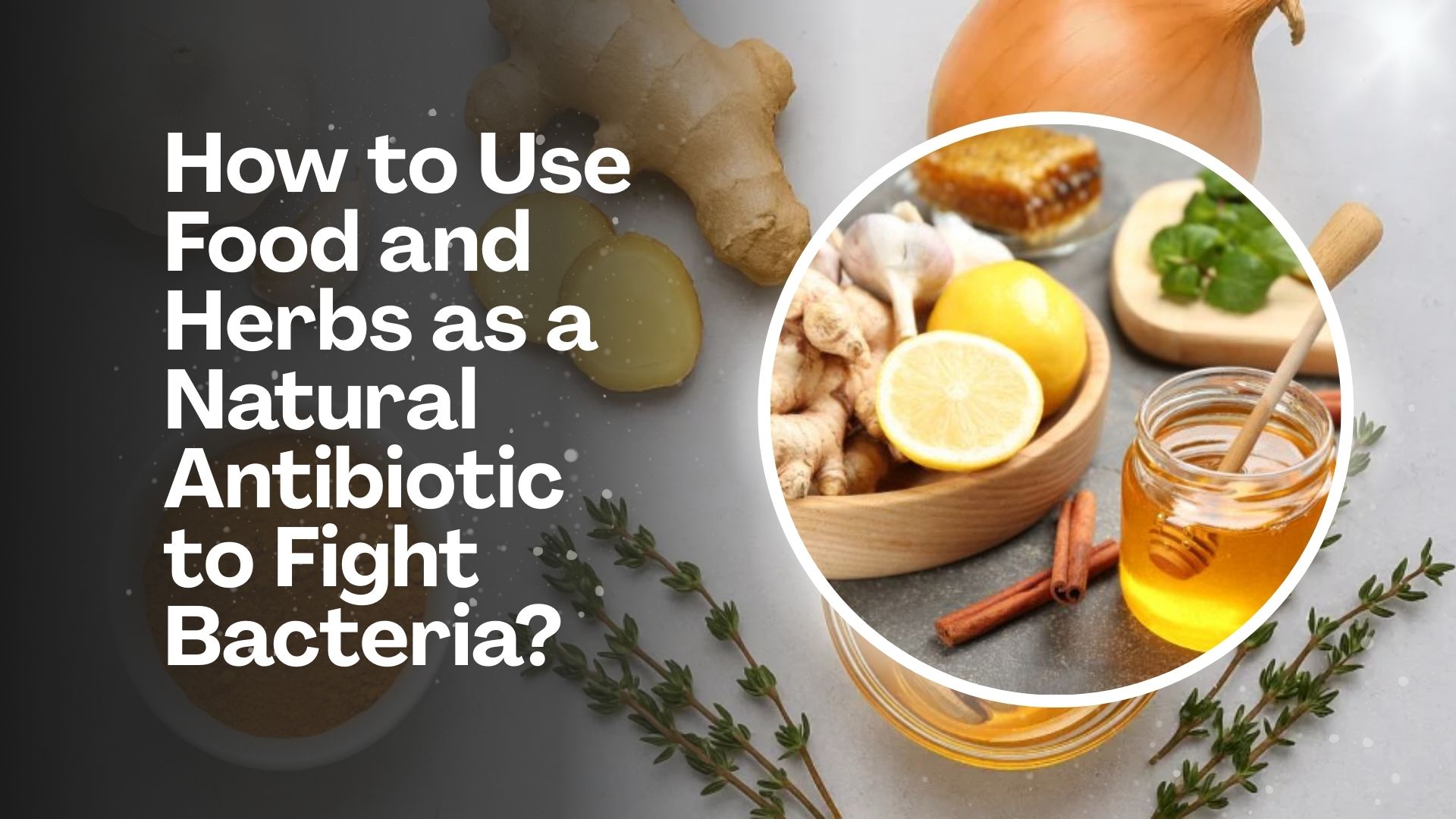
In today’s world, maintaining a strong immune system and preventing infections is more important than ever. While modern medicine offers synthetic antibiotics, nature provides an array of powerful alternatives that can help fight bacterial infections naturally. Using foods and herbs as a natural antibiotic not only supports your body’s defense mechanisms but also reduces reliance on chemical medications.
The Concept of Natural Antibiotics
A natural antibiotic refers to substances found in foods and plants that possess antibacterial properties. These compounds help inhibit the growth of harmful bacteria, promote healing, and strengthen the immune system. Unlike synthetic antibiotics, natural options often come with additional nutritional benefits, including antioxidants, vitamins, and minerals.
Top Foods with Antibacterial Properties
- Garlic – Known for its active compound allicin, garlic has been studied for its ability to fight bacteria, including strains resistant to conventional antibiotics. Including raw garlic in your meals or taking it as a supplement can support your immunity.
- Ginger – This aromatic root contains gingerol, which has antimicrobial effects. Drinking ginger tea or adding it to dishes can help protect against bacterial infections in the digestive tract.
- Honey – Particularly raw or Manuka honey, has long been celebrated for its antibacterial and wound-healing properties. Honey can be consumed directly or applied topically on minor cuts and skin infections.
- Turmeric – Curcumin, the active ingredient in turmeric, exhibits antibacterial activity and supports overall health. Turmeric can be included in meals, smoothies, or taken as a supplement.
- Coconut Oil – Contains lauric acid, which can fight bacteria and promote healthy skin. Using coconut oil in cooking or as a topical application can provide dual benefits.
Herbs as a Natural Antibiotic
Several herbs are highly effective in supporting the body’s defense against bacteria:
- Oregano – Oregano oil contains carvacrol, a compound that inhibits bacterial growth. A few drops in warm water or food can serve as a natural antibacterial booster.
- Thyme – Thyme contains thymol, which has been shown to fight harmful microbes. It can be brewed into teas or added to dishes.
- Clove – Cloves are rich in eugenol, offering antibacterial, antifungal, and anti-inflammatory properties. Use them in cooking or teas.
- Echinacea – Popular for boosting immunity, echinacea also exhibits antibacterial properties and is commonly consumed as a tea or supplement.
Benefits of Using Foods and Herbs as Natural Antibiotics
Incorporating natural antibacterial foods and herbs into your daily routine offers multiple advantages:
- Reduced dependency on chemical antibiotics, minimizing side effects.
- Added nutritional value, including vitamins, minerals, and antioxidants.
- Support for gut health and immune function.
- Potential to prevent minor infections before they escalate.
Precautions While Using Natural Antibiotics
While the best natural antibiotic options are safe for most people, some considerations are important:
- Allergic reactions: Always test new foods or herbs in small amounts.
- Medication interactions: Consult a doctor if taking prescribed medicines.
- Moderation: Excessive intake of potent herbs may cause digestive or skin irritation.
Conclusion
Nature provides a wide range of powerful antibacterial agents in the form of foods and herbs. By understanding how to use these remedies wisely, you can support your health, prevent infections, and complement modern medical treatments. Garlic, ginger, turmeric, honey, and herbs like oregano and thyme are excellent choices for anyone looking to strengthen their natural defenses. Incorporating them into daily meals or using topical applications can be an effective way to enjoy the benefits of the best natural antibiotic without relying solely on chemical solutions.
FAQs
1. Can natural antibiotics replace prescription antibiotics?
Natural antibiotics can help prevent or manage minor infections, but severe bacterial infections require professional medical treatment and prescribed antibiotics.
2. Are there side effects of using herbs as antibiotics?
Most natural antibacterial herbs are safe when used in moderation, but allergic reactions or interactions with medications may occur. Consult a healthcare professional if uncertain.
3. How can I incorporate natural antibiotics into my daily routine?
Foods like garlic, ginger, turmeric, and honey can be added to meals, teas, or smoothies. Herbs such as oregano and thyme can be used in cooking or brewed into teas.
4. Is honey effective against all types of bacteria?
Honey, especially raw or Manuka honey, is effective against many bacterial strains but may not treat severe infections. It is best used as a complementary remedy.
5. How long does it take to see results from natural antibiotics?
The effectiveness depends on the type of herb, severity of infection, and frequency of use. Regular incorporation into your diet can gradually improve immunity and reduce minor bacterial issues.


