
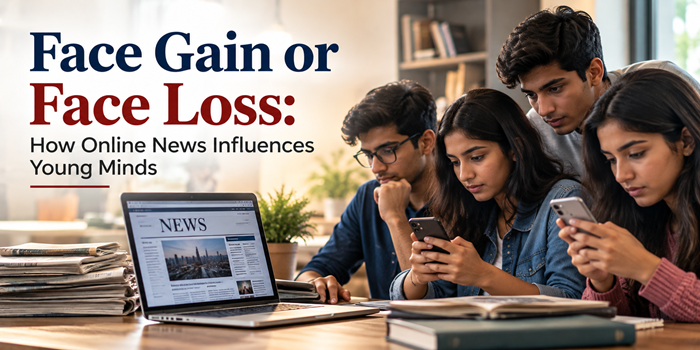
Online news has become an important part of everyday life. With smartphones, social media, and digital news platforms, information about local events, national developments, and international issues is available within seconds. Young people can explore different subjects, understand current affairs, and learn about events happening around the world without waiting for traditional news broadcasts or printed newspapers.
However, easy access to information also brings certain challenges. Not every headline tells the complete story, and not every online post contains accurate information. The way young people consume, understand, and respond to digital news can influence their awareness, opinions, and decision-making.
This is where the concept of Face Gain or Face Loss becomes interesting. It encourages readers to think about the positive opportunities and potential disadvantages associated with online news. Understanding both sides can help young people become more informed, responsible, and thoughtful digital citizens.
Understanding the Growing Influence of Online News
Online news refers to information about current events published through digital platforms such as news websites, mobile applications, social media, and online publications. Unlike traditional newspapers and television broadcasts, digital platforms allow readers to access updates at almost any time.
For young readers, this accessibility creates new opportunities to explore subjects that interest them. They can follow educational developments, sports, technology, business, science, entertainment, and international affairs.
How Young People Consume Digital News
Young people may discover news through several sources, including:
- Online newspaper websites and digital publications.
- Social media posts and news pages.
- News applications and mobile notifications.
- Videos, podcasts, and online discussions.
- Search engines and digital newsletters.
These different formats make information easier to access. However, they also mean that readers may encounter news without actively searching for it.
For this reason, understanding where information comes from is just as important as knowing what the information says.
Why Online News Has Become Part of Everyday Life
Digital news offers speed, convenience, and variety. A reader can follow an important development, compare different reports, and explore additional information using a smartphone or computer.
It also gives people access to perspectives from different parts of the world. This can help young readers understand that social, economic, and cultural issues may have different effects on different communities.
Nevertheless, convenient access should not replace careful reading and independent thinking.
Positive Effects of Online News on Young Minds
When consumed thoughtfully, online news can support learning and encourage young people to become more aware of the world around them.
1. Building Awareness and General Knowledge
Regularly reading credible news can help young people understand important developments in society. They can learn about education, science, technology, the environment, business, and public affairs.
This knowledge can also support classroom discussions and general learning. For example, a student following environmental news may become more interested in climate-related topics, conservation and sustainable development.
2. Encouraging Curiosity and Learning
Online news can introduce readers to subjects they may not have explored otherwise. A single article can encourage someone to research a new technology, understand a historical event or learn about a different country.
This curiosity can become a valuable habit when readers move beyond headlines and explore reliable sources for more detailed explanations.
3. Understanding Different Perspectives
Digital publications allow readers to explore different viewpoints about the same issue. Reading thoughtful coverage from multiple credible sources can help young people understand that complex topics may not have a single simple explanation.
It can also encourage respectful discussions and a willingness to consider evidence before forming an opinion.
Negative Effects of Excessive or Unreliable News Consumption
Although online news has several advantages, its impact depends on the quality of information and the habits of the reader. Excessive consumption or repeated exposure to unreliable content can create problems.
1. Misinformation and Fake News
One major challenge of digital media is the circulation of inaccurate or misleading information. A post may appear convincing because it contains an attractive image, a dramatic headline, or large number of shares.
However, popularity does not establish accuracy.
Young readers should learn to check the original source, publication date, supporting evidence, and credibility of the publisher before believing or sharing a claim.
2. Sensational Headlines and Emotional Reactions
Some online headlines are designed to attract attention through dramatic language. Such headlines may leave out important context or encourage readers to react before understanding the complete story.
Reading only headlines can therefore create an incomplete impression of an event.
A better approach is to read the full report, understand its context and distinguish between verified information and personal opinion.
3. Information Overload and Reduced Attention
Constant notifications, frequent updates and continuous scrolling can make it difficult to focus on one subject.
When readers move quickly from one headline to another, they may remember individual details without developing a clear understanding of the larger issue.
Setting aside specific time for news and taking breaks from digital platforms can help create a healthier information routine.
Why Media Literacy and Critical Thinking Matter
Media literacy is the ability to access, understand, evaluate, and use information responsibly. It helps readers recognise the difference between factual reporting, personal opinions, advertising, and misleading content.
Critical thinking is equally important because it encourages individuals to question information rather than accepting every statement immediately.
Before trusting an online news report, readers can ask:
- Who published this information?
- Is the author or publisher identifiable?
- When was the information published?
- Does the report provide evidence or refer to original sources?
- Are other credible publications reporting the same development?
- Does the headline accurately represent the full article?
These simple questions can help young readers develop better information-evaluation habits.
Media literacy does not mean doubting everything. It means learning how to make informed decisions about what deserves attention and trust.
Responsible Journalism and the Importance of Credible Sources
Journalism plays an important role in helping society understand current events. Responsible reporting requires accuracy, fairness, context, and transparency.
A credible news report should distinguish between confirmed facts, allegations, opinions, and developing information. It should also avoid presenting speculation as established truth.
Readers have a responsibility too. Sharing an unverified post can spread confusion even when the person sharing it has no intention of misleading others.
Young people can contribute to a healthier digital environment by checking information before forwarding it, respecting different viewpoints, and avoiding unnecessary sensationalism.
The relationship between responsible journalism and informed readership is important because reliable information is valuable only when people know how to understand and use it.
Face Gain or Face Loss: Exploring the Book by Dr. Partha Protim Banerjee
The subject of online news and its influence on young people is also explored in Face Gain or Face Loss: The Effect of Online News on Youth, written by Dr. Partha Protim Banerjee.
The book’s subject provides an opportunity to reflect on how digital news influences young readers and why the quality of information matters. It brings attention to a relevant question: does access to online news always help young people become better informed, or can the way information is presented also create challenges?
The idea of Face Gain or Face Loss can be used as a starting point for examining the opportunities and risks of digital news consumption. Access to information can encourage awareness and learning, but careless consumption can also expose readers to misleading reports and incomplete perspectives.
Rather than treating digital news as entirely beneficial or harmful, readers should consider how they use it. Developing curiosity, checking sources, and thinking independently can make the experience more meaningful.
How Young People Can Become Responsible News Consumers
Developing responsible online news habits does not require complicated techniques. A few practical steps can make a meaningful difference.
Choose reliable sources: Follow established news organisations and publications that provide transparent reporting and corrections when necessary.
Read beyond the headline: Understand the complete article before forming an opinion or sharing information.
Check publication dates: Older reports may circulate again and be presented as recent developments.
Compare credible reports: When a story is important, examine how other reliable publications have covered it.
Question dramatic claims: Be careful with headlines that use extreme language or promise shocking revelations.
Manage screen time: Avoid checking news constantly. Set reasonable periods for reading updates and allow time for other activities.
Discuss information thoughtfully: Conversations with teachers, parents and peers can help young readers understand complicated issues and consider different viewpoints.
These habits can help transform online news from a source of constant updates into a useful tool for learning and awareness.
Conclusion: Making Online News a Positive Learning Experience
Online news has changed how young people discover information and understand the world. It offers opportunities to develop awareness, explore new subjects and learn about different perspectives. At the same time, misinformation, sensational reporting and information overload make responsible consumption increasingly important.
The central idea behind Face Gain or Face Loss is a useful starting point for thinking about these opportunities and challenges. Through its focus on the effect of online news on youth, Dr. Partha Protim Banerjee’s book connects with a subject that remains relevant in today’s digital environment.
Ultimately, the goal should not be to avoid online news but to approach it thoughtfully. When young people learn to verify information, question claims and think independently, digital media can become a more valuable part of their education and everyday lives.
Frequently Asked Questions
1. What is the effect of online news on youth?
Online news can improve awareness, general knowledge and access to different perspectives. However, unreliable information, sensational reporting and excessive consumption may create confusion or information overload.
2. How does online news influence young minds?
It can influence what young people learn about, how they understand current events and how they form opinions. Its influence depends on the quality of information and the reader’s ability to evaluate it.
3. What are the positive effects of digital news?
Digital news provides quick access to information, supports independent learning, encourages curiosity and helps readers understand social, economic, scientific and international developments.
4. What are the negative effects of online news consumption?
Potential challenges include misinformation, misleading headlines, repeated exposure to distressing content, information overload and the development of opinions based on incomplete information.
5. How can young people identify fake news?
They should check the publisher, author, publication date, original source and supporting evidence. Comparing important claims with other credible reports can also help.
6. Why is media literacy important for students?
Media literacy helps students evaluate information, distinguish facts from opinions, recognise misleading content and make more informed decisions.
7. What is Face Gain or Face Loss about?
Face Gain or Face Loss: The Effect of Online News on Youth is a book by Dr. Partha Protim Banerjee that explores the relationship between online news and young people.
8. Who wrote Face Gain or Face Loss?
The book Face Gain or Face Loss: The Effect of Online News on Youth is written by Dr. Partha Protim Banerjee.
9. How can parents encourage responsible news consumption?
Parents can encourage discussions about current events, help children evaluate sources, explain the difference between facts and opinions and promote balanced screen-time habits.
